Mitchell and Webb once did a Medical Drama sketch, where two fictional screenwriters explained that the emphasis in their new series was on drama and not medicine, as “you can get bogged down too much on the so called research.”
This resulted in a show with doctors shouting such things as “This patient is poorly! Bring me the medicine! No, you fool, that’s the wrong medicine!”
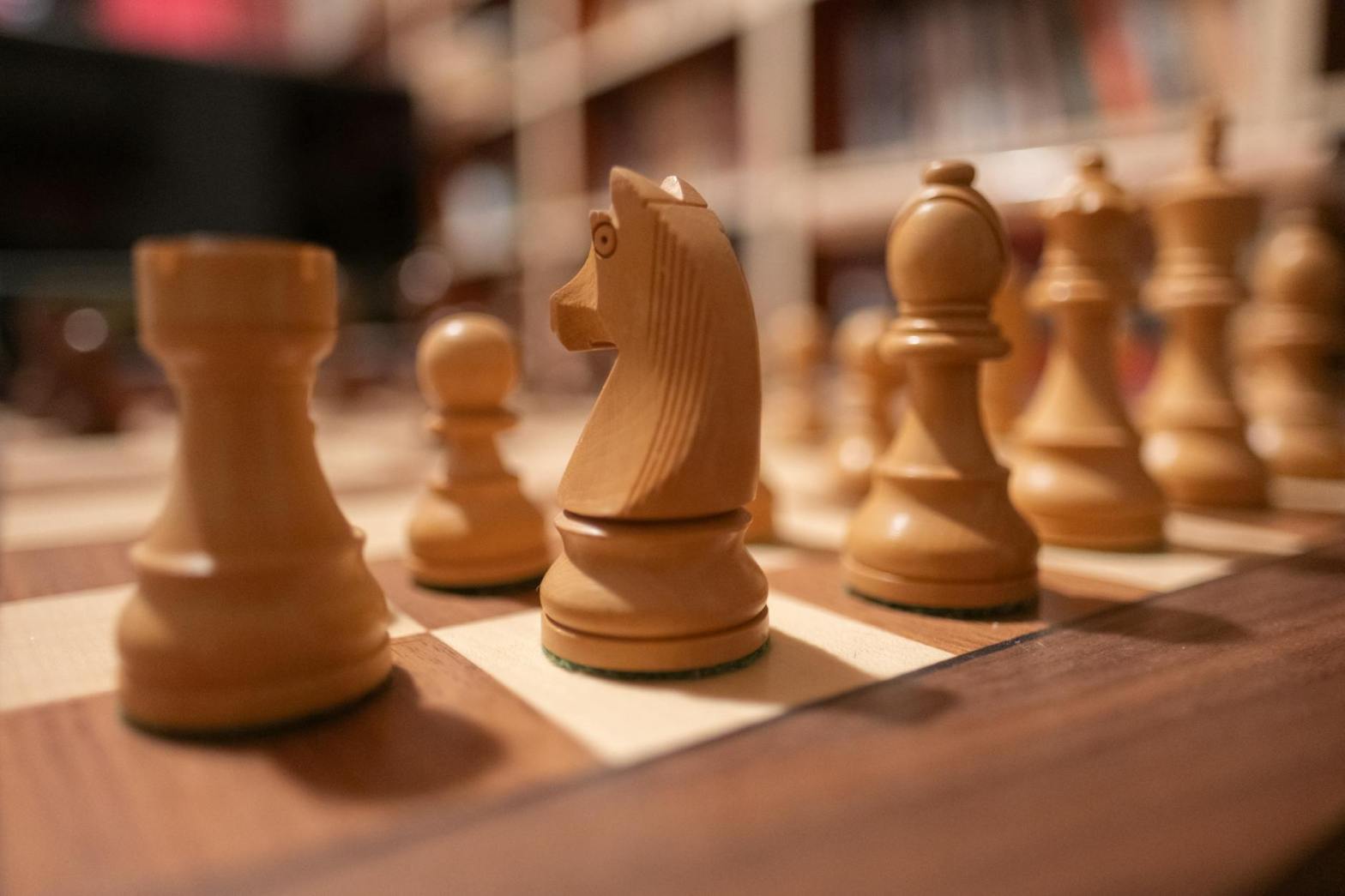
I was reminded of this sketch whilst watching The Queen’s Gambit recently. If you haven’t seen it, it’s a series about a female chess prodigy who goes on to become World Champion in the 1960’s. Apparently the matches played on screen were meticulously researched, and reflected real games played back then.
But that doesn’t matter. I don’t think most people watching would follow the play – I certainly couldn’t – but that doesn’t matter because what made the show so watchable was the way the drama of the games was communicated.
I was gripped by the ebb and flow of the matches, by the pace of the game: the way players would make a series of moves quickly and then spend ages pondering the next one. There was drama in the expression on their faces, even in the way they moved the pieces…
But that was just the games themselves. Painstakingly recreated they might have been, but they weren’t the story.
David Hepworth, the music writer, gave this advice – Don’t write about the music, write about all the things around it.
I think that’s true of all writing.
Would the Queen’s Gambit have been as good if it had been about draughts or backgammon? I don’t think so. Maybe you could have made the tournament scenes themselves as exciting, but the drama was heightened through the 60s setting, the Cold War tension and the single minded devotion of the characters in studying past games. The story wasn’t about the chess.
It’s often said that the essence of drama is conflict. Many beginner writers misunderstand what this means. A fight doesn’t make a story exciting. Why the people are fighting, that’s what’s interesting.
On a separate note, I saw Hamnet last night. That was two hours of my life I’ll never get back. The only bit I enjoyed was the last ten minutes, and that was because it was a scene from Hamlet.
But there was a bit where Shakespeare was sharpening his quills whilst awaiting for inspiration to strike. I felt happy when I saw that. That was the Elizabethan equivalent of me messing around with my emacs config file on my computer rather than getting down to work.
Finally, it’s getting harder and harder to share these posts. The algorithms on social media sites favour internal content, not external blogs like this. If you’ve been relying on say Facebook to send you to this site then you’ve probably not being seeing many posts recently.
If you don’t want to miss anything, enter your email below to subscribe to this blog and receive posts by email.
 Tony Ballantyne