Tip Toe round the monkeys

I recently read an article by a developer about having their work rejected because they used AI in its development. The story isn’t as straightforward as you might think, and they make a good case for their actions. You can read the story yourself here, though I warn you it’s quite technical

Techie or not, I think you will find the following extract interesting:

The (US Copyright) Office will not register works produced by nature, animals, or plants. Likewise, the Office cannot register a work purportedly created by divine or supernatural beings, although the Office may register a work where the application or the deposit copy(ies) state that the work was inspired by a divine spirit.

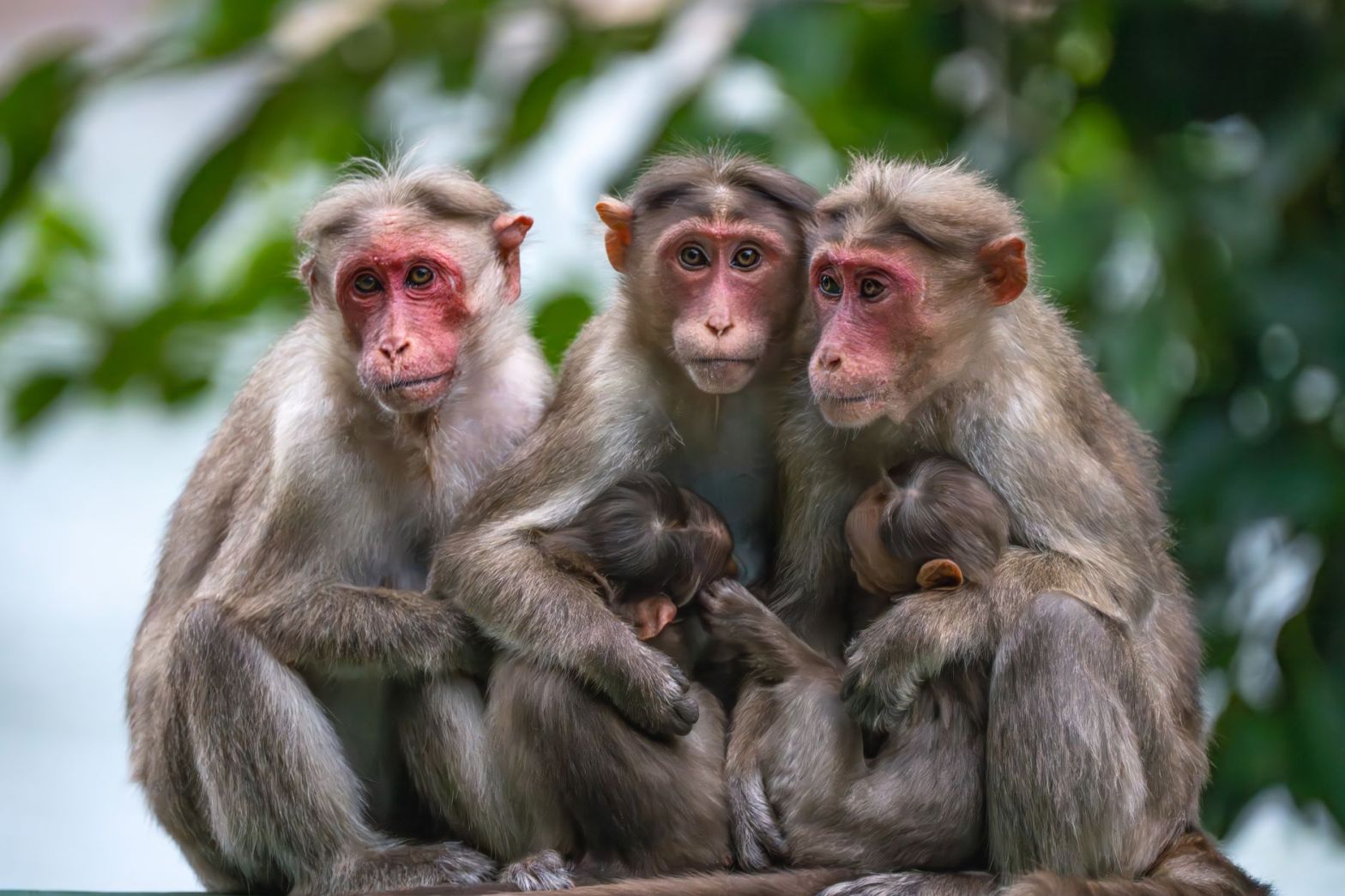
I never knew that. You can read about the application of that law in this story of why monkeys can’t claim copyright over their selfies.

Ah, you might think. But what about AI?

Don’t get too excited. The people with the money will ensure that this doesn’t apply to them. Look forward to seeing the work harvested from your hard work being copyrighted by some LLM in the future.


On a separate note, I can’t remember if I expressed my opinion about the last series of Doctor Who here. Probably not, as I try to praise twice as often as I condemn. So let’s dwell on the positive

Tip Toe, Russel T Davies’s latest series, is outstanding. Some of the best writing I’ve seen in ages. Thoroughly recommended.
ibuffer changed my life

I wanted a quick way to delete all the buffers that can accumulate in an Emacs session. A quick search threw up this post by Martin Owen.

It turned out all I needed was ibuffer mode. ibuffer has a toggle command which selects all unselected buffers.

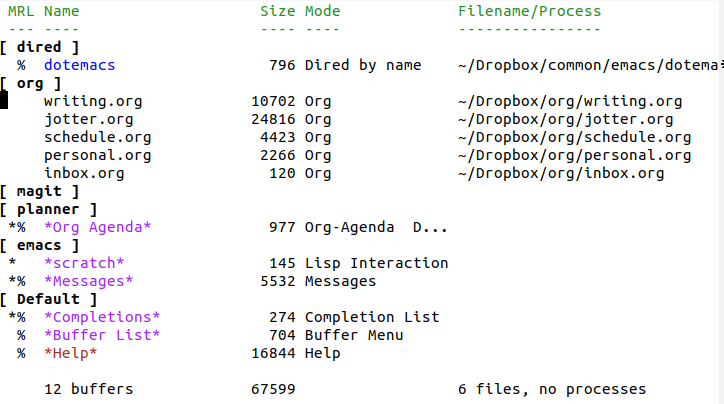
But that’s not all. ibuffer will group your buffers by type, just like in the featured image for this post. It also comes with a range of commands for filtering buffers. Here are my five favourite commands:

  1. t to toggle files selected
  2. / . to filter by extensions
  3. / p to remove top level filter
  4. * h Mark all help buffers
  5. * s Mark all *special* buffers

and here’s my set up: I’ve basically just adapted Martin’s.

(global-set-key (kbd "C-x C-b") 'ibuffer) ; instead of buffer-list
(setq ibuffer-expert t) ; stop yes no prompt on delete

 (setq ibuffer-saved-filter-groups
	  (quote (("default"
		   ("dired" (mode . dired-mode))
		   ("org" (mode . org-mode))
		    ("magit" (name . "^magit"))
		   ("planner" (or
				(name . "^\\*Calendar\\*$")
				(name . "^\\*Org Agenda\\*")))
		   ("emacs" (or
			     (name . "^\\*scratch\\*$")
			     (name . "^\\*Messages\\*$")))))))

(add-hook 'ibuffer-mode-hook
	  (lambda ()
	    (ibuffer-switch-to-saved-filter-groups "default")))

It took me about ten minutes to do all the above from start to finish. Ten minutes well spent, I say.