
What do they teach these kids?

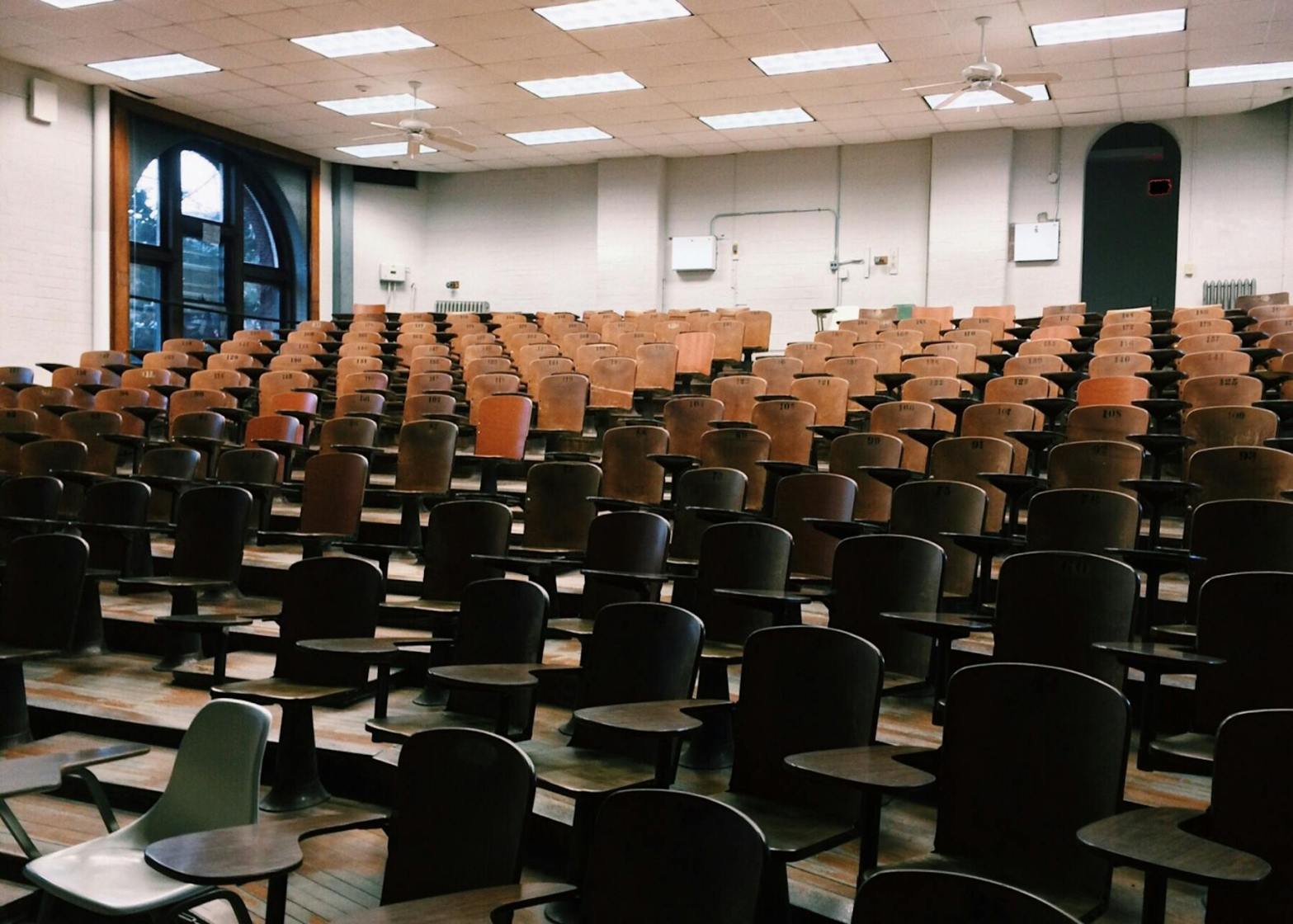
There used to be a question asked of trainee teachers: why do we teach Shakespeare and not Pinball?

It’s the sort of question that got a certain sort of politician angrily demanding that the lefties be kicked out from the teacher training colleges. The question annoyed me too when I first heard it (although when I was asked the question they said video games, not pinball).

But when I began to think about it, I realised that it was an excellent question. Possibly the most important question in education. It wasn’t so much about Shakespeare v Pinball, but rather about the value we place on different skills and knowledge. Why do we have the curriculum that we have?

The realistic answer, of course, is to make people employable.

One hundred years ago we taught people to add up columns of numbers. We were preparing clerks to work with ledgers. Nowadays students are taught how to use calculators or spreadsheets to solve problems. Different jobs, different education.

When I was at school the girls learned cooking and sewing, the boys woodwork and metalwork. Later on, girls could opt for what was called office skills: how to take shorthand and use a typewriter. My wife, studying 200 miles away in Wales, bucked the trend by taking A level physics and chemistry.

To put this in context, I was 9 when the Equal Pay Act came into force, meaning that women were paid the same as men for the same work. 15 years later, when I started teaching, it was taken for granted that girls and boys studied the same subjects.

When I started reading SF, just about the time of the Equal Pay act, I was led to believe that machines would do all the jobs in the future. SF promised humans a life of leisure. That prediction seems to have been half right. Nowadays, it seems, machines are indeed doing more and more jobs, but we humans seem to be working longer hours for less reward.

Which brings me to the news of the UK government’s curriculum review, announced yesterday.

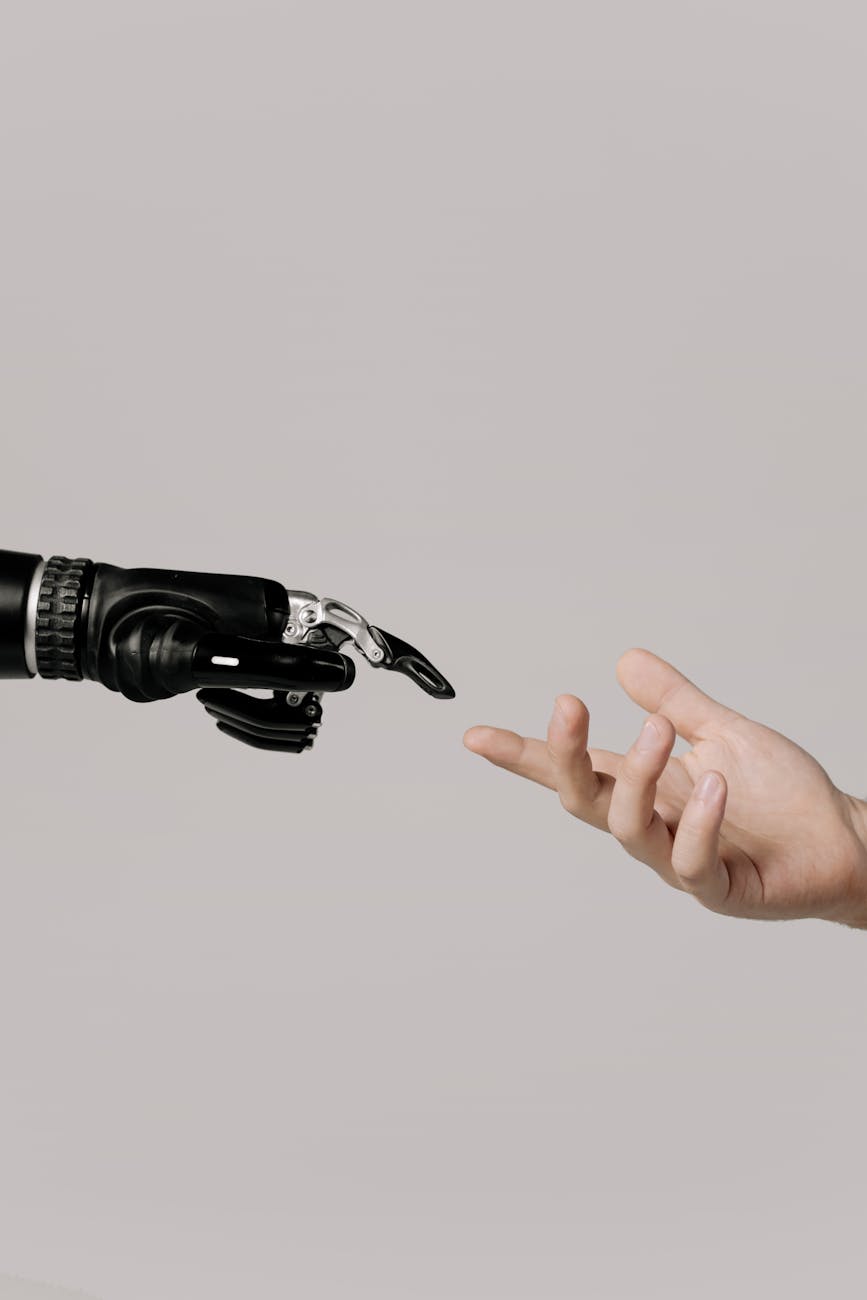
The media made much of the fact that students would learn more about AI in the future. That makes sense.

But there was one rather heartening announcement that wasn’t really mentioned in the news reports: that changes to league tables will mean arts GCSEs “will be given equal status to humanities and languages, recognising their value in boosting confidence and broadening skills for a competitive job market.

Note that phrase, competitive job market. Like I said, education is all about making people employable.

But who cares? The arts have been slowly ground out of state schools over the past ten years. I think it’s a good thing that students will have the chance to start writing, painting and composing again. If the AIs are going to be doing all the jobs in the future, then at least students will have something interesting to fill their lives.

Maybe we can start to realise the second half of that 1970s vision of SF. Because I’m not sure it’s going to be that pleasant a future if we don’t…
Reflections on 37 Years of Teaching and Retirement

This summer I’m retiring as a teacher after 37 years. As my wife points out, I’m only retiring from teaching, I will still be employed as a musician and a writer (which should be good news for Penrose fans).

I’m proud to have been a teacher. The following is an extract from my leaving speech.

I was reading in the paper about the crisis in British schools. It might surprise you to learn that there is a shortage of teachers, that schools are underfunded, that buildings are crumbling and class sizes are growing. It might also surprise you to know that the article I’m talking about was one that I read back in 1988, the year I started teaching. Things have always been bad.

Back then I was given a £1250 bursary to train as a Maths teacher (I think I spent it on a keyboard and a pair of walking boots)

That wasn’t why I did it, though. I’d spent two summers in the US teaching fencing on a children’s camp and it was there that I realised two things:

First, teaching was great fun

Second, teaching is probably the most important job in the world. Helping people to grow into responsible adults capable of listening to both sides of the story, teaching them how to control their emotions and to learn to forgive and forget is always going to make a bigger difference to the world than any book or song.

Which is why I’m so proud to have been a teacher. It was an incredibly hard job when I started, it’s much much harder now.

And yet this what we have chosen to do. And looking around the staff in this room right now I think you were right to make that choice, because when I think of all the things happening in the world right now I genuinely believe you are the only people between these kids and chaos. I’m convinced of that now more than ever.

So well done all of you

And good luck!

AI Made me Redundant

Yesterday, a student asked me to help him with a program he was writing in his own time. It was an impressive project, but it wasn’t working properly.

I quickly spotted what the problem was, but finding exactly where the error lay in the code was a lot more difficult. This is typical in this sort of beginner project: there will be several hundred lines of badly laid out code as the student is still learning their craft.

After about half an hour I went to get a cup off coffee while I gave my mind a chance to reset. When I came back, the student said he’d found the problem. I congratulated him and asked him how he’d found it. He told me, and that’s when I realised I was now obsolete.

The student hadn’t, in fact, found the error himself. Rather he’d put the code into AI and got that to spot the mistake.

AI had just rendered me redundant. If I had a particular skill as a teacher of coding, it was in knowing what mistakes a student would typically make, the sort of mistakes that aren’t obvious to an experienced coder. A big part of teaching is knowing the misconceptions that students are going to have, and I’ve been teaching programming for nearly 30 years. I like to think few others have the same facility as I do for spotting those sort of mistakes.

Well, no more.

A lot of writers have posted about having their work ripped off by LLMs, me included. This is annoying, I know, and I’m as irritated as everyone else by this. Maybe not as irritated by those editors who are having to wade through a slew of AI generated stories, but still annoyed.

But annoyed as I am, I’ve yet to see a decent book created by AI. I like to think I still have some worth as writer.

But as a teacher, and not just a glorified childminder there’s now one less reason to pay my wages. It’s a sobering thought.

My first novels were about a benevolent AI. I hope this is the future I wrote about.